

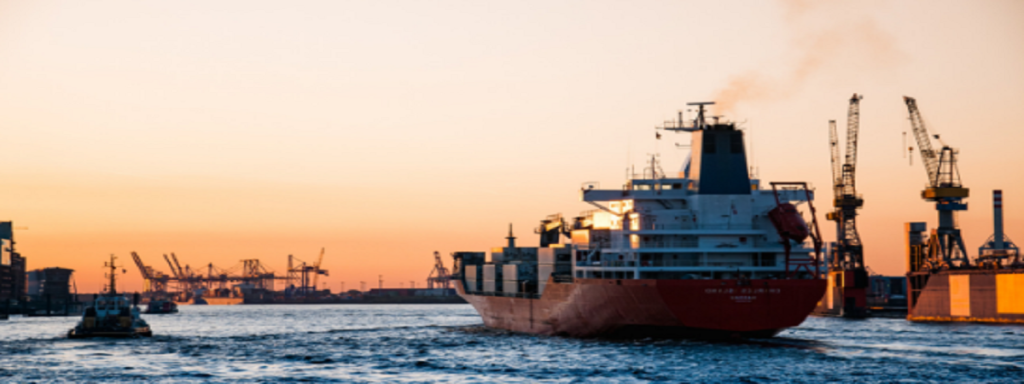
What is marine transit insurance?
If your business takes you across the seas, you can be exposed to risks from mother nature, misadventure and even piracy. Such risks can prevent your cargo from reaching its destination, or cause costly damage during the voyage.
Marine transit insurance refers to a range of insurance products which help protect your business from loss or damage to vessels and cargo. It can cover the door to door delivery of goods worldwide, by sea, road, rail and air – including their storage on the way.
Who should consider it?
Marine transit insurance is important for businesses involved in shipping or receiving goods, Marine insurance can provide valuable cover on both land and sea for:
- Importers.
- Exporters.
“The Australian maritime sector has an estimated annual revenue of $5.76 billion and added approximately $2.03 billion to the Australian economy in 2019-20. Australia is the fifth largest user of shipping services in the world, and 80% of Australia’s imports and exports by value are carried by sea.”
Australian Industry and Skills Committee, Maritime, 2022
What can it cover?
There are different types of marine-related insurance policies – the type you choose will vary based on your specific needs. Marine transit policies can cover goods which are being moved within Australia or overseas.
Depending on the type of policy you choose, marine insurance policies can cover:
| Type of cover | Potential benefits |
|---|---|
| Accidental damage | All causes of physical damage provided that they are the a result of an unexpected and non-deliberate external action. |
| Insured events | Only the events listed in the policy. |
| Collision | Damage caused due to the collision of the carrying vehicle, vessel, train, aeroplane. It may be a collision between two conveyances or it might involve the conveyance hitting another object such as a bridge, wall, tree etc. |
| Dropping during loading and unloading | Dropping during loading or unloading if this is not an excluded event specified under a specified risks policy. |
| Fire, explosion & lightning | Cover for fire, explosion and lightning. |
| Impact of goods with external objects other than the conveying vehicle or road | Full impact cover can be provided, including goods falling from and within the vehicle. |
| Malicious damage | Malicious acts, vandalism and sabotage by third parties. |
What usually isn’t covered?
Exclusions, the excess you need to pay and limits of liability can vary greatly depending on your insurer. Policies generally won’t include cover for:
- Consequential loss/loss of market.
- War.
- Delay.
- Inherent vice; i.e. the damage due to a feature of the product being transported.
Case Study
Kerri runs a small business that exports organic cheeses from Australia to Asia. It’s a new business, so she works very hard to provide quality products and build her client base.
Recently, a shipment of her cheeses that were going to a new client was left on the dock unrefrigerated due to failure of the cold storage area in the dock – and the cheeses were spoilt. Not only did Kerri lose valuable product, but she also missed out on the repeat business of the new client.
Thankfully, Kerri had marine transit insurance, which covered her products from the time they left her business until they were in her client’s possession. While her insurance didn’t help her keep the new client, at least the insurance reimbursed Kerri for the cost of the cheeses that were spoilt .